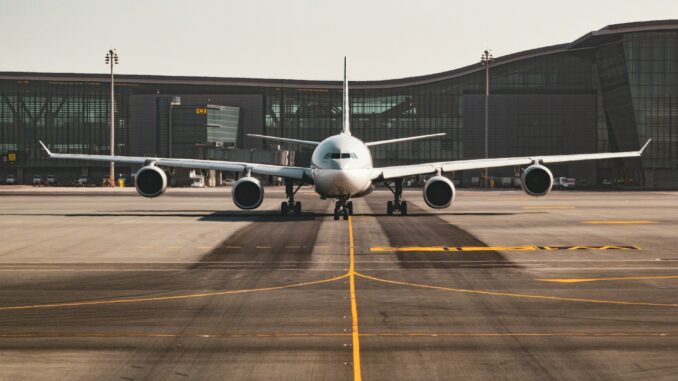
A new wave of aviation disruption has once again pushed Hartsfield-Jackson Atlanta International Airport into chaos, leaving hundreds of passengers stranded as major carriers including Delta Air Lines, American Airlines, Frontier Airlines, JetBlue, Southwest, Spirit and regional operators struggled with mounting delays and cancellations. Atlanta airport disruptions today quickly spread across the national airline network, affecting routes connected to New York, Miami, Dallas, Los Angeles, Chicago, Orlando and several international destinations.
According to reports, Atlanta recorded more than 120 flight delays and dozens of cancellations, creating major operational pressure at the world’s busiest airport. Travelers reported long queues, missed connections, delayed baggage, overcrowded terminals and uncertainty about rebooking options. The latest Atlanta travel disruptions are now adding to a growing pattern of recurring airline chaos seen throughout 2026.
Delta Air Lines Hit Hardest as Atlanta Hub Operations Collapse
Delta Air Lines remained the airline most heavily affected because Atlanta serves as the company’s primary operational hub. Reports showed Delta handling the majority of delays at ATL, with dozens of flights arriving late or departing hours behind schedule. The disruption impacted domestic routes linking Atlanta with New York JFK, Los Angeles, Chicago O’Hare, Miami, Dallas, Orlando and Las Vegas, while international flights to London, Paris, Amsterdam and Toronto also experienced operational problems.
The airline’s tightly connected “hub-and-spoke” system means that even small disruptions can rapidly spread through the network. When aircraft arrive late into Atlanta, crews exceed legal duty limits, aircraft miss turnaround windows and passengers lose connecting flights. Industry analysts say this cascading effect has become one of the biggest challenges for US aviation in 2026.
Passengers flying with Delta today described chaotic scenes inside terminals, especially during peak departure banks. Many travelers were forced to spend hours waiting for gate updates while customer service lines stretched across concourses. Mobile app rebooking systems also reportedly experienced heavy traffic due to the surge in affected travelers.
American Airlines, Frontier and JetBlue Also Face Major Disruptions
While Delta absorbed the largest operational impact, American Airlines, Frontier Airlines and JetBlue also faced significant disruption across their Atlanta schedules. Frontier passengers were particularly vulnerable because ultra-low-cost carriers operate with fewer spare aircraft and limited recovery flexibility. Once delays begin, the airline often struggles to reposition aircraft quickly enough to restore the schedule.
American Airlines travelers connecting through Atlanta also experienced delays tied to aircraft positioning and air traffic congestion. Several routes involving Charlotte, Dallas-Fort Worth, Miami and Philadelphia reported schedule instability throughout the day.
JetBlue and Southwest passengers similarly encountered delays as congestion at Atlanta spread through the national airspace system. Since many airlines share aircraft rotations across multiple cities, a delay in Atlanta can impact departures hours later in completely different states.
Why Atlanta Airport Disruptions Spread So Quickly
Hartsfield-Jackson Atlanta International Airport handles more passenger traffic than any other airport in the world. Because of this enormous operational volume, even moderate weather disruptions, staffing shortages or aircraft positioning issues can create nationwide ripple effects.
Experts say the current aviation system remains under pressure from several ongoing problems:
- Severe weather across parts of the United States
- Aircraft and crew shortages
- Growing pilot staffing concerns
- Increased spring and summer travel demand
- Air traffic congestion at major hubs
- Limited operational recovery buffers for airlines
These combined factors have created repeated periods of instability at major airports including Atlanta, Chicago O’Hare, Dallas-Fort Worth, Miami and New York JFK throughout 2026.
Atlanta’s role as Delta’s largest hub makes the airport especially vulnerable. When delays begin there, the effects quickly extend nationwide because thousands of passengers rely on ATL for connecting flights every single day.
Travelers Face Missed Connections and Long Wait Times
Passengers caught in the latest Atlanta airport chaos reported:
- Missed domestic and international connections
- Overnight delays
- Difficulty reaching customer support
- Limited hotel availability near the airport
- Crowded terminals and security lines
- Delayed baggage retrieval
- Rebooking complications
International travelers connecting onward to Europe and Canada were among the most affected because missing a single ATL connection can disrupt an entire long-haul itinerary. Flights to London Heathrow, Paris CDG, Amsterdam, Frankfurt and Toronto reportedly experienced delays tied to aircraft rotation problems and inbound congestion.
US Flight Disruptions Continue to Grow in 2026
The latest Atlanta disruptions are part of a broader pattern of instability across the US aviation industry. Over recent months, airports in Chicago, Dallas, Miami, Fort Lauderdale and New York have also recorded hundreds of delays and cancellations during major travel periods.
Industry observers warn that the upcoming summer travel season could place even greater pressure on airlines already struggling with staffing shortages and operational constraints. High passenger demand combined with severe weather risks may continue producing large-scale disruptions at major airline hubs.
For travelers flying through Atlanta in the coming days, experts recommend checking flight status frequently, arriving early at the airport and preparing for possible schedule changes. Airlines are encouraging passengers to use mobile apps for rebooking and real-time notifications as operational conditions continue to evolve.

Leave a Reply